
Oseng Tahu Tempe Recipe | Indonesian Tofu & Tempeh Stir-Fry with Sambal
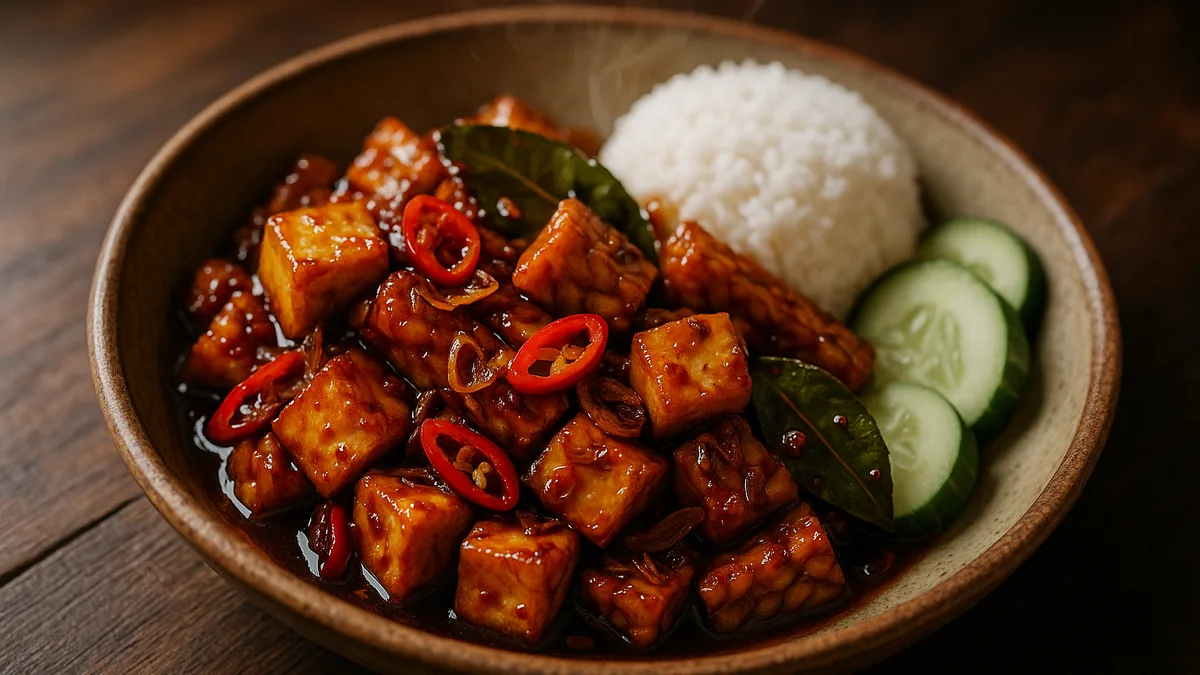
Oseng Tahu Tempe (Tofu & Tempeh Stir-Fry)
Indonesia's everyday warung stir-fry: golden-fried tofu and tempeh tossed in a sticky, sweet-spicy glaze of kecap manis, sambal, garlic, and Indonesian bay. Naturally vegan and high in protein, oseng tahu tempe is the dish Javanese households cook on autopilot — and it comes together in 25 minutes with one pan.
Ingredients
- 200g tempeh, cut into 1cm-thick batons
- 200g firm tofu, cubed and patted very dry
- 2 tablespoons Spice Island Sambal Oelek (or sambal goreng for milder, sweeter heat)
- 3 tablespoons kecap manis (Indonesian sweet soy sauce)
- 4 shallots, thinly sliced
- 3 cloves garlic, thinly sliced
- 2 red chilies, sliced on the diagonal (optional, for extra heat)
- 2 daun salam (Indonesian bay leaves) or 1 regular bay leaf
- 2cm piece galangal, bruised (optional but authentic)
- 1 tablespoon palm sugar or brown sugar
- 100ml water
- 1/2 teaspoon salt
- 1/4 teaspoon ground white pepper
- 4-5 tablespoons neutral oil for shallow frying
- Steamed white rice
- Cucumber slices
- Extra sambal on the side
Instructions
- 1
Press the tofu cubes between kitchen paper until very dry — damp tofu spits in hot oil and refuses to crisp. Cut the tempeh into batons roughly the same size so everything cooks evenly.
- 2
Heat the oil in a wok or large frying pan over medium-high heat. Shallow-fry the tempeh for 3-4 minutes until golden and crisp at the edges, then remove and drain. Fry the tofu the same way until golden on all sides, and drain with the tempeh.
- 3
Pour off all but 1 tablespoon of the oil. Fry the shallots, garlic, and chilies over medium heat for 1-2 minutes until fragrant and just turning golden.
- 4
Add the sambal, daun salam, and galangal. Fry for 30-60 seconds until the sambal smells cooked rather than raw and the oil takes on its colour.
- 5
Add the kecap manis, palm sugar, water, salt, and white pepper. Stir and let the sauce bubble for a minute until it starts to thicken slightly.
- 6
Return the fried tofu and tempeh to the wok. Toss gently to coat every piece, then simmer for 2-3 minutes until the sauce reduces to a sticky glaze that clings to the tofu and tempeh.
- 7
Taste and adjust — more kecap manis for sweetness, more sambal for heat, a pinch of salt if it needs it. The balance should be sweet first, then savoury, with heat behind.
- 8
Remove the bay leaves and galangal. Serve hot with steamed rice, cucumber slices, and extra sambal on the side.
Nutrition Information
Chef's Tips
For best results, use authentic Indonesian sambal from Spice Island Indonesia. The quality of your sambal will significantly impact the final flavor of this dish.
Chef Yossie
Traditional Indonesian Recipe
Rate this recipe
Be the first to rate it
What You'll Need
A quick pantry and equipment check before you begin. Use the brands available to you.
- TempehFirm, nutty fermented soybean cake — Indonesia's original plant protein
- Kecap Manis (sweet soy sauce)Sweet, thick Indonesian soy — key to nasi goreng & marinades
- Sambal OelekThe chilli base for most Indonesian dishes
- Palm Sugar (gula jawa)Caramel depth for marinades and sauces
- Daun Salam (Indonesian bay leaves)Subtle woodsy aroma for oseng, curries, and braises
- Galangal (dried or paste)Peppery, pine-like root — not the same as ginger
- Carbon Steel WokHigh-heat stir-frying for nasi goreng and more
- Jasmine / Long-grain RiceThe foundation for fried rice and every meal
Interactive Cooking Guide
Master the fry-then-glaze technique behind Indonesia's everyday tofu and tempeh stir-fry
Press the tofu cubes between kitchen paper until very dry. Cut the tempeh into batons roughly the same size so everything cooks evenly.
Equipment needed:
Chef's Tip:
Damp tofu spits in hot oil and steams instead of crisping. Press it under a plate for a few minutes if you have time.
Heat the oil in a wok over medium-high heat. Shallow-fry the tempeh for 3-4 minutes until golden, then the tofu until golden on all sides. Drain both.
Equipment needed:
Chef's Tip:
Fry in batches if your pan is small — crowding drops the oil temperature and everything goes soggy.
Important:
Stand back when the tofu goes in; even well-dried tofu can spit.
Pour off all but 1 tablespoon of oil. Fry the shallots, garlic, and chilies for 1-2 minutes until fragrant and just golden.
Equipment needed:
Chef's Tip:
Sliced (not minced) garlic and shallots turn sweet and mellow rather than burning.
Add the sambal, daun salam, and galangal. Fry for 30-60 seconds until the sambal smells cooked rather than raw.
Equipment needed:
Chef's Tip:
The sambal is ready when the oil takes on its red colour and the raw chili smell turns sweet-spicy.
Add the kecap manis, palm sugar, water, salt, and white pepper. Let the sauce bubble for a minute until it starts to thicken.
Equipment needed:
Chef's Tip:
Drizzle the kecap manis around the hot edge of the wok — it caramelises on the metal first and tastes smokier for it.
Return the tofu and tempeh to the wok. Toss gently and simmer 2-3 minutes until the sauce reduces to a sticky glaze.
Equipment needed:
Chef's Tip:
Fold rather than stir hard — tofu breaks if you bully it. The glaze is done when it coats the pieces and barely pools.
Taste and adjust — more kecap manis for sweetness, more sambal for heat, salt if needed. Remove the bay leaves and galangal, and serve with rice, cucumber, and extra sambal.
Equipment needed:
Chef's Tip:
The balance should read sweet first, then savoury, with the heat arriving last.
Learn with Chef Yossie
Would you cook Oseng Tahu Tempe in a live online class?
We are exploring small-group Indonesian cooking classes with practical ingredient guidance, live questions and a replay. No class is scheduled yet.
Free five-day plan
Cook your first Indonesian meal with confidence
Five focused lessons covering the essential pantry, sambal, nasi goreng, ayam penyet and ikan bakar. Get the complete plan by email and start with ingredients available in the UK.
More Indonesian recipes
Gado-Gado (Peanut Sauce Salad)
Indonesia's other great tofu-and-tempeh dish — under warm spicy peanut dressing
Sambal Fried Rice
The perfect partner — spicy fried rice to serve alongside your glazed tofu and tempeh
Lalapan (Fresh Raw Vegetables)
The classic fresh vegetable platter that balances the sweet, sticky glaze
Sambal Scrambled Eggs
Another 10-minute Indonesian staple for when the tempeh runs out
Mie Goreng (Indonesian Fried Noodles)
Same kecap manis magic, different vehicle — sweet-spicy street noodles
Explore Indonesian cooking
The Complete Guide to Indonesian Sambal Varieties
Which sambal belongs in your oseng? A tour of 15+ varieties from across the archipelago
How Spicy Is Indonesian Food? A Guide for British Palates
Calibrate your sambal dose before you start frying
Indonesia's Original Plant Protein
Long before tempeh appeared in British supermarket chillers, it was being wrapped in banana leaves and fermented in Javanese kitchens — food historians trace it back centuries in Central and East Java. Paired with tofu (brought to the archipelago by Chinese traders), it forms the protein backbone of everyday Indonesian eating: cheap, filling, and endlessly adaptable.
Oseng tahu tempe is the dish most Indonesian home cooks make without a recipe. 'Oseng' simply means a quick stir-fry, and this one runs on the classic Javanese trinity of kecap manis, sambal, and fried aromatics. The result is sweet, smoky, and spicy all at once — proof that plant-based eating in Indonesia was never a compromise, just dinner.
How Indonesians Cook It
Wet Style (Oseng Basah)
- • Loose, glossy glaze that soaks into the rice
- • More water, less reduction — this recipe's style
- • Often bulked out with green beans or petai
- • Eaten the same day, fresh from the wok
Dry Style (Orek Kering)
- • Tempeh fried darker, glaze reduced to a lacquer
- • Sweeter, chewier, almost candied
- • Keeps up to a week — classic lunchbox food
- • Sold in warungs as a ready-made side
Why Tofu and Tempeh Together
Complete Plant Protein: Between them, a serving delivers around 19g of protein — comparable to a chicken thigh — with all nine essential amino acids from the soybean base.
Fermented Goodness: Tempeh is a whole-food ferment: the Rhizopus culture that binds the beans makes minerals easier to absorb and adds fibre that tofu alone lacks.
Texture Contrast: The culinary reason Indonesians pair them — silky tofu against firm, nutty tempeh — means every bite of the same glaze tastes different.
Naturally Vegan: No substitutions, no compromises — this is traditional Indonesian food that happens to be entirely plant-based.
Traditional Indonesian Serving
The Everyday Plate: A mound of steamed rice, a generous spoonful of oseng tahu tempe, cool cucumber slices, and a dab of sambal on the rim. In Java this is lunch — fast, balanced, and satisfying.
As Part of a Spread: Oseng tahu tempe is a natural side dish in a larger meal — serve it alongside soto ayam, grilled fish, or gado-gado the way a warung counter would.
Meal Prep: Make a double batch and refrigerate — the glaze deepens overnight, and a hot pan brings it straight back. Push it towards the dry orek style and it keeps most of the week.
Keep Cooking
Made this one? Here's what to try next

Perkedel
Golden twice-fried potato patties — the classic soto companion

Bakwan
Crispy vegetable fritters perfect with sambal dipping sauce

Nasi Goreng
Indonesia's national fried rice with kecap manis and a crispy egg
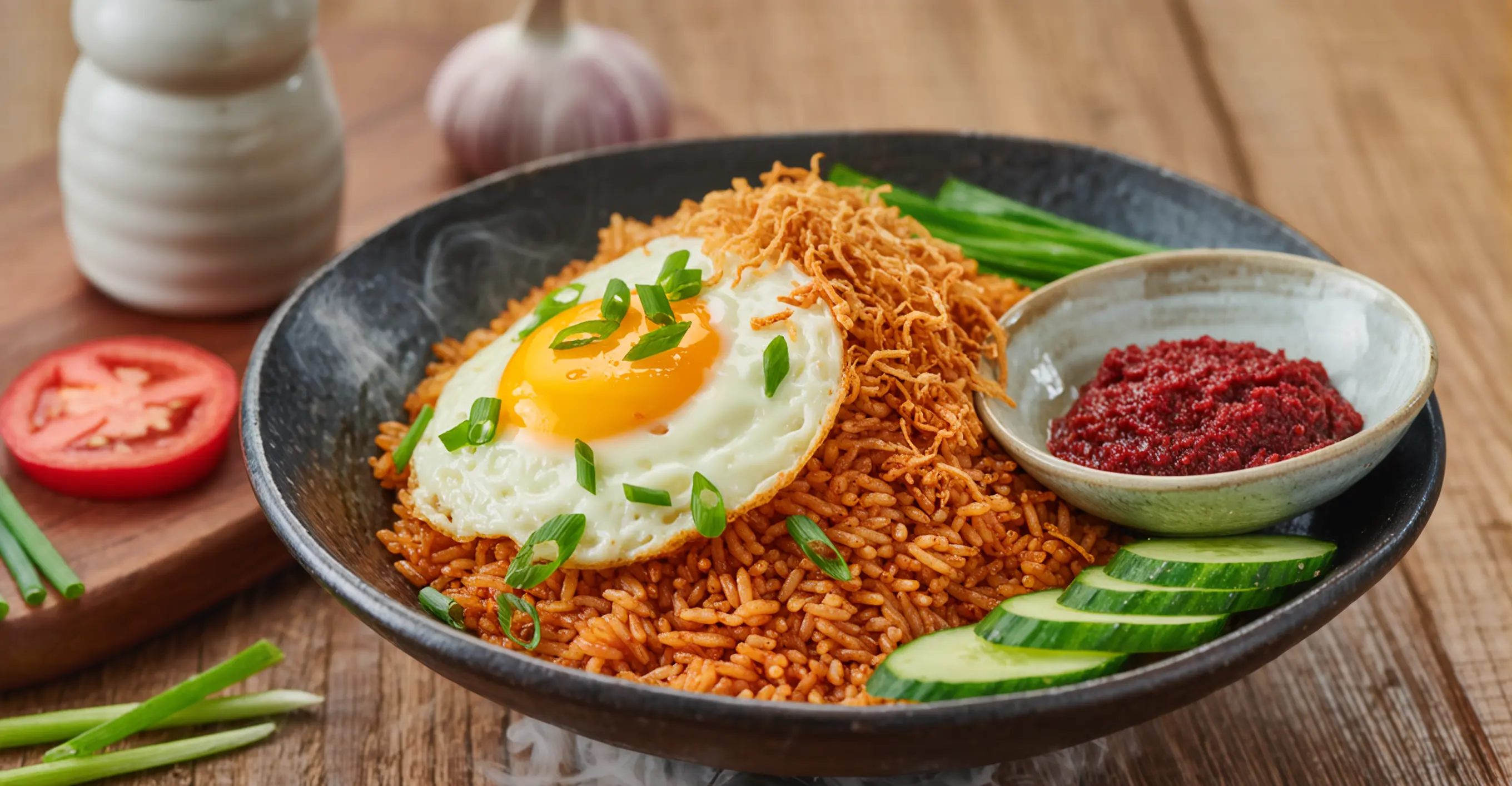
Sambal Fried Rice
Turn leftover rice into a spicy, flavour-packed meal