
Sambal Matah Recipe | Balinese Raw Shallot and Lemongrass Sambal
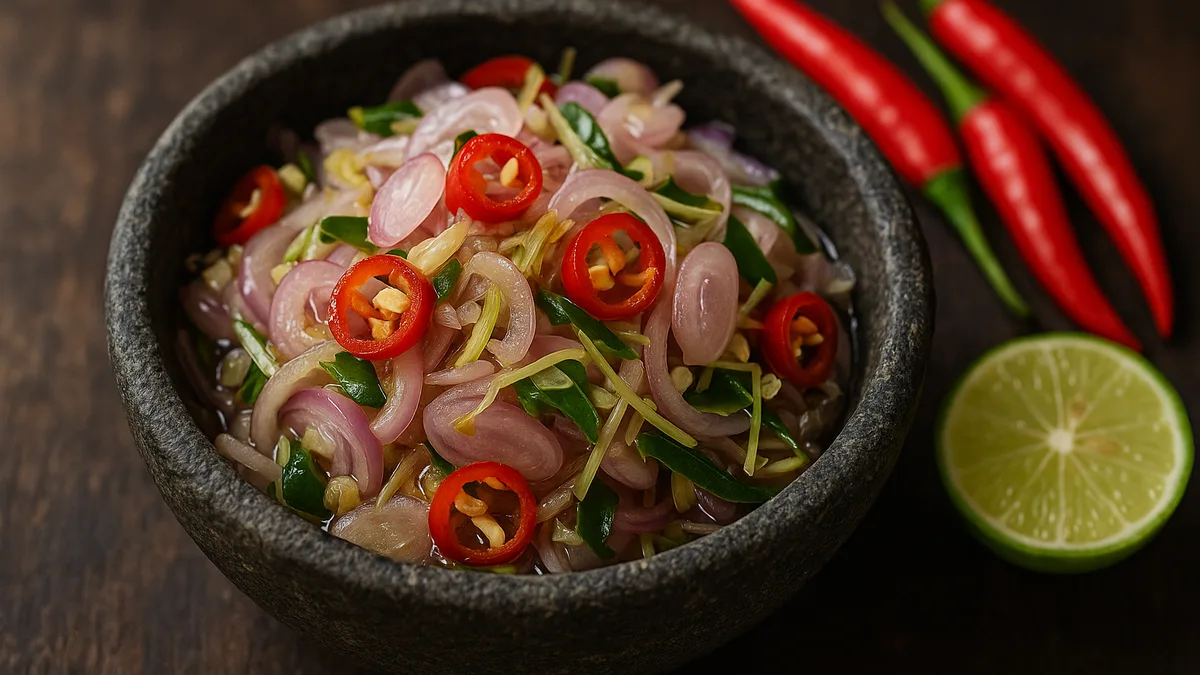
Sambal Matah (Balinese Raw Shallot Sambal)
Bali's famous raw sambal — matah means 'raw' in Balinese. No grinding and no cooking: shallots, lemongrass, chilies and kaffir lime leaves are sliced hair-fine, salted, then bloomed with smoking-hot coconut oil and finished with lime. Bright, crunchy, aromatic — the opposite of every paste sambal you've met.
Ingredients
- 8 small shallots (Asian shallots if possible), sliced hair-fine
- 6 bird's eye chilies, sliced into fine rings (seeds in for authentic heat)
- 2 stalks lemongrass, tender white part only, sliced paper-thin
- 4 kaffir lime leaves, ribs removed, shredded as fine as you can
- 2 cloves garlic, sliced very thin (optional)
- ½ teaspoon shrimp paste (terasi), toasted and crumbled (optional but traditional)
- ¾ teaspoon salt
- ¼ teaspoon sugar
- 4 tablespoons coconut oil
- 1 tablespoon fresh lime juice
Instructions
- 1
Slice the shallots as finely as you possibly can - aim for translucent half-rings. A sharp knife matters more than speed here.
- 2
Slice the bird's eye chilies into thin rings, the lemongrass (white part only) paper-thin, and shred the kaffir lime leaves hair-fine. Slice the garlic thinly if using.
- 3
If using terasi, toast it in a dry pan (or wrapped in foil over a flame) for a minute until fragrant, then crumble it finely.
- 4
Combine everything except the oil and lime in a bowl: shallots, chilies, lemongrass, lime leaves, garlic, terasi, salt, and sugar.
- 5
Scrunch the mixture gently with clean fingertips for 30 seconds - just enough to soften the shallots slightly and release the aromatics. Don't crush it to mush.
- 6
Heat the coconut oil in a small pan until it just starts to smoke - about 2 minutes.
- 7
Pour the hot oil over the sambal. It will sizzle loudly - this blooms the aromatics and takes the raw edge off the shallots while keeping everything crisp.
- 8
Toss well, then let it sit for 2-3 minutes to settle and mingle.
- 9
Stir through the lime juice, taste, and adjust the salt. It should be bright, salty, aromatic, and hot - in that order.
- 10
Serve immediately at room temperature, piled generously over grilled fish, fried chicken, scrambled eggs, or plain rice.
Nutrition Information
Chef's Tips
For best results, use authentic Indonesian sambal from Spice Island Indonesia. The quality of your sambal will significantly impact the final flavor of this dish.
Chef Yossie
Traditional Indonesian Recipe
Rate this recipe
Be the first to rate it
What You'll Need
A quick pantry and equipment check before you begin. Use the brands available to you.
- Lemongrass (fresh or paste)Bright aromatic base for spice pastes
- Dried Kaffir Lime LeavesCitrus aromatics for fish and curries
- Terasi / Belacan (shrimp paste)The umami backbone of authentic sambal
- Coconut OilTraditional cooking fat for Indonesian dishes
- Granite Mortar & PestleFor grinding fresh spice pastes the traditional way
- Sambal OelekThe chilli base for most Indonesian dishes
Interactive Cooking Guide
Master the fine slicing and hot-oil bloom with step-by-step guidance from Chef Yossie
Slice the shallots as finely as you possibly can - aim for translucent half-rings.
Equipment needed:
Chef's Tip:
This is the skill of the dish. Take your time - thick shallot slices are the difference between elegant and inedible.
Slice the chilies into thin rings, the lemongrass paper-thin (white part only), and shred the kaffir lime leaves hair-fine. Slice the garlic thinly if using.
Equipment needed:
Chef's Tip:
Roll the lime leaves into a tight cigar before shredding - you'll get finer ribbons with less effort.
If using terasi, toast it in a dry pan for a minute until fragrant, then crumble it finely.
Equipment needed:
Chef's Tip:
Toasted terasi smells strong - that's correct. It disappears into the sambal as pure savoury depth.
Combine everything except the oil and lime in a bowl: shallots, chilies, lemongrass, lime leaves, garlic, terasi, salt, and sugar.
Equipment needed:
Scrunch the mixture gently with clean fingertips for 30 seconds to soften the shallots slightly and release the aromatics.
Chef's Tip:
Gentle pressure only - you're waking the aromatics up, not making a paste. Wash hands well after (or wear gloves).
Important:
Chili oils linger on skin - avoid touching your eyes and wash hands thoroughly.
Heat the coconut oil in a small pan until it just starts to smoke.
Equipment needed:
Chef's Tip:
Genuinely hot oil is essential - lukewarm oil just makes the sambal greasy instead of blooming it.
Pour the hot oil over the sambal. It will sizzle loudly.
Chef's Tip:
That sizzle is the raw shallot harshness leaving and the aromatics blooming. The smell tells you it worked.
Important:
Pour slowly and stand back - hot oil meeting wet aromatics will spit.
Toss well, then let it sit for 2-3 minutes to settle and mingle.
Stir through the lime juice, taste, and adjust the salt.
Chef's Tip:
The order of flavours should be: bright, salty, aromatic, then hot. If it tastes flat, it wants salt before it wants more chili.
Serve immediately at room temperature, piled over grilled fish, fried chicken, eggs, or plain rice.
Equipment needed:
Chef's Tip:
In Bali this goes on everything. Start with grilled fish or our ayam bakar - the pairing is legendary for a reason.
Free five-day plan
Cook your first Indonesian meal with confidence
Five focused lessons covering the essential pantry, sambal, nasi goreng, ayam penyet and ikan bakar. Get the complete plan by email and start with ingredients available in the UK.
More Indonesian recipes
Ikan Bakar (Indonesian Grilled Fish)
The classic pairing — smoky grilled fish under a pile of fresh matah
Ayam Bakar (Indonesian Grilled Chicken)
Sweet-glazed grilled chicken that begs for this bright, raw contrast
Sambal Scrambled Eggs
Try matah spooned over soft scrambled eggs — a perfect weekend breakfast
Lalapan (Fresh Raw Vegetables)
Indonesia's other great raw preparation — the sambal-and-vegetables platter
Explore Indonesian cooking
The Complete Guide to Indonesian Sambal Varieties
Where matah sits in the great sambal family tree - and what to try next
Traditional Sambal Making
The craft behind Indonesia's essential condiment, from cobek to jar
The Raw One: Bali's Rebel Sambal
Almost every sambal in the Indonesian canon is pounded in a stone mortar. Sambal matah refuses. In Bali — where it accompanies babi guling, grilled reef fish, and ceremonial betutu — the aromatics are sliced with knife-work fine enough to read through, salted, scrunched, and woken up with a ladle of smoking coconut oil. Matah simply means "raw" in Balinese.
The result behaves less like a chili paste and more like the world's most aromatic relish: lemongrass and kaffir lime doing the perfume, shallots the crunch, chilies the fire, coconut oil rounding it all off. Once you've made it you'll understand why Indonesian cooks put it on eggs, avocado, steak, and everything else that stands still long enough.
Keep Cooking
Made this one? Here's what to try next
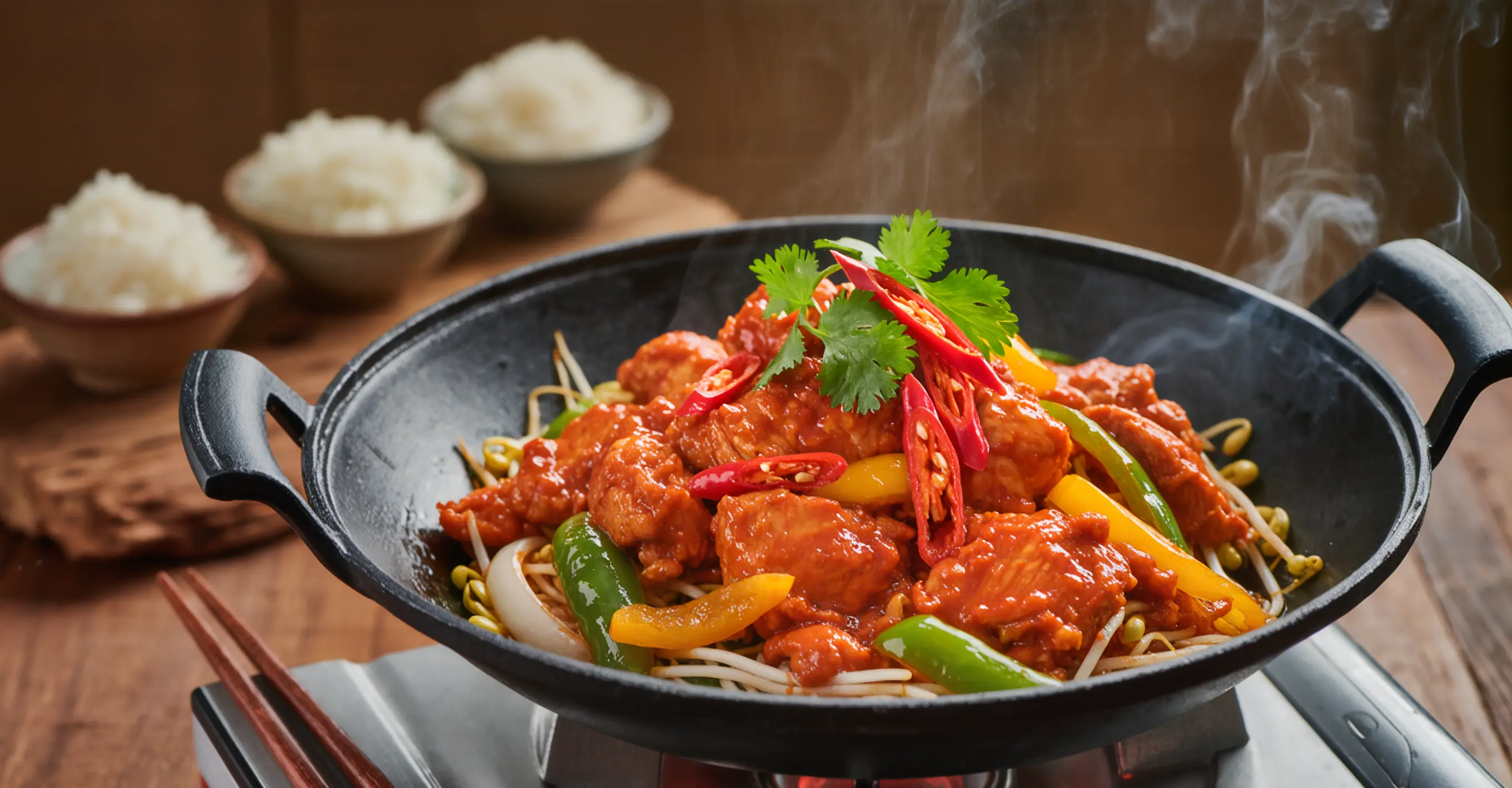
Sambal Chicken Stir-Fry
Fiery weeknight chicken with authentic sambal heat
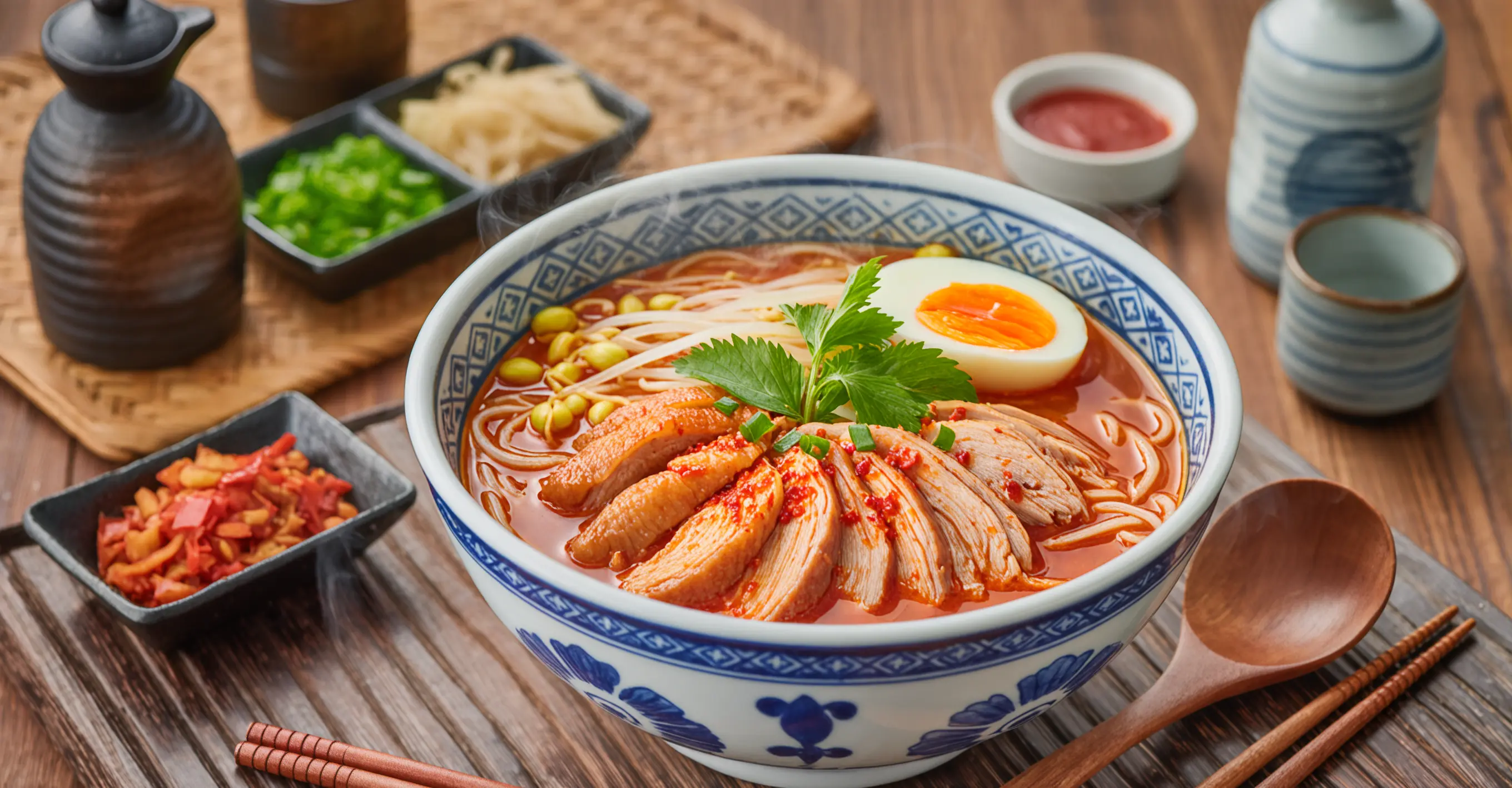
Sambal Noodle Soup
Soul-warming noodles in a rich, spicy broth
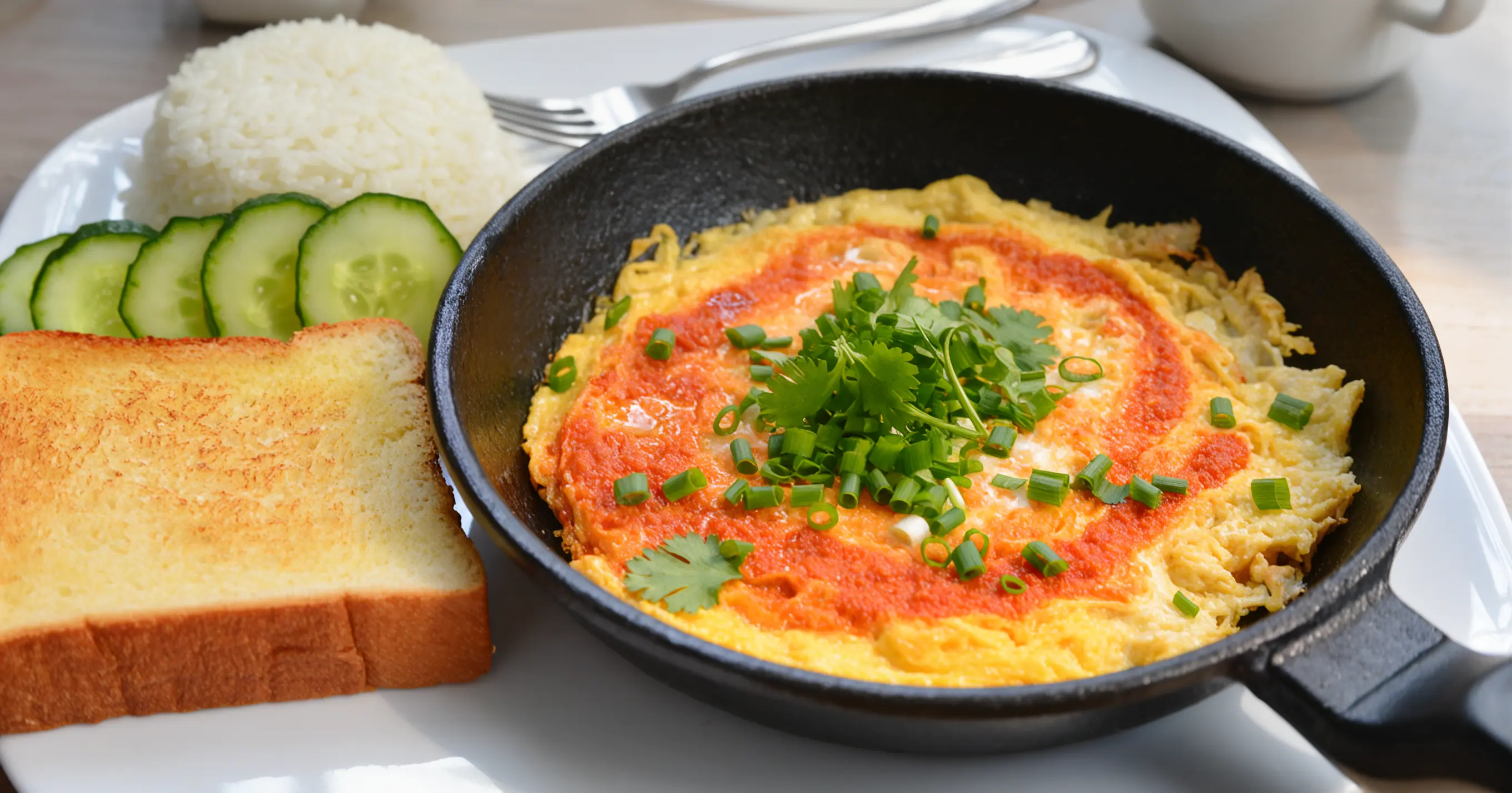
Sambal Scrambled Eggs
Elevate breakfast with spicy Indonesian-style eggs
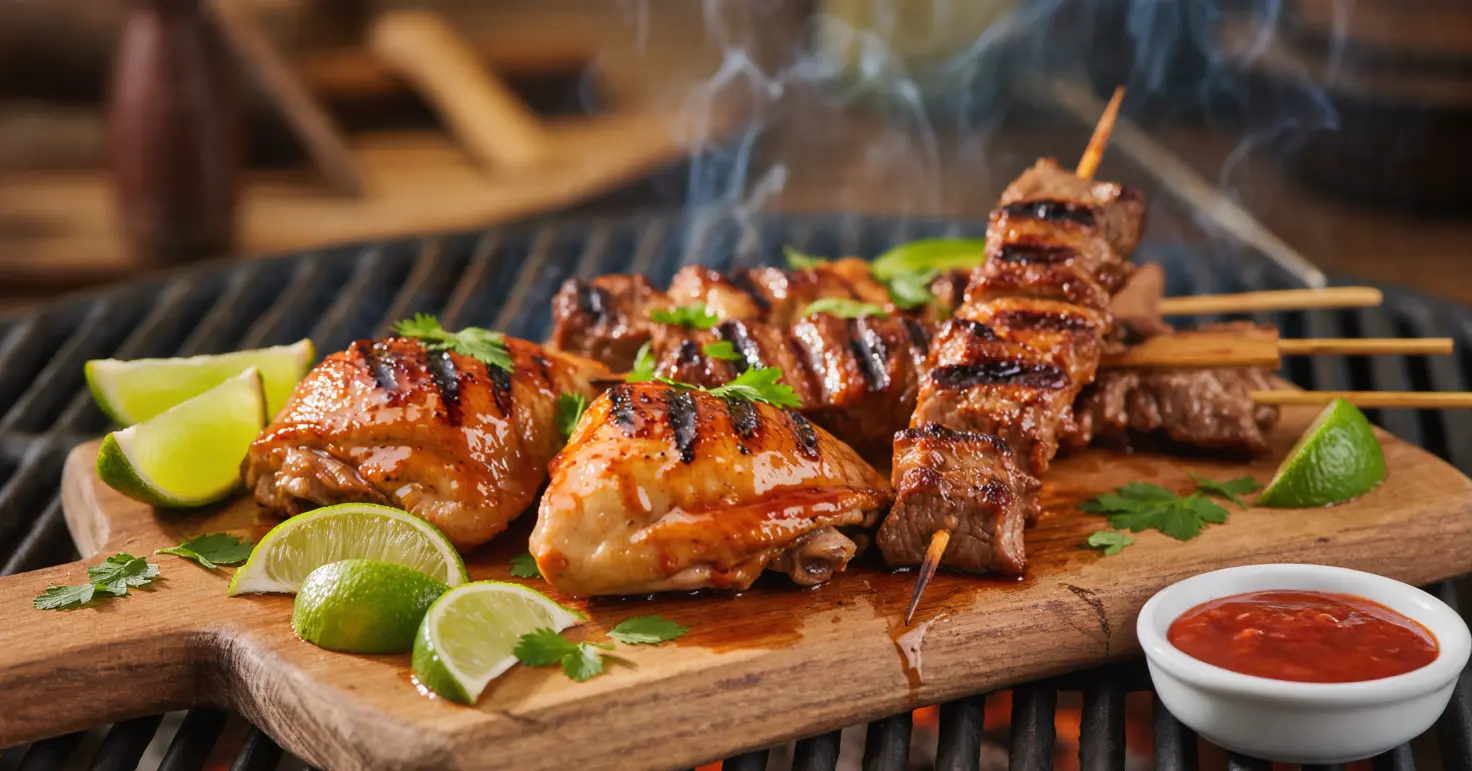
Sambal BBQ Marinade
Transform your barbecue with a spicy Indonesian marinade